
According to a study conducted by NIMHANS in 2016, 14 % of India’s population required active mental health interventions. It also mentioned that about 70% to 80% of people in India struggling with mental illness receive no care. It could be due to many reasons such as poor health care accessibility, affordability. Amongst all factors the stigma around mental health is one of the major factors that keeps one away from seeking mental health support.
Fortunately, post COVID with the increasing reach of social meia and societal awareness, it was observed that the conversation around mental health is growing. The importance of addressing mental health concerns is increasing and people are now able to access mental health services due to better technologies and adaptation to virtual means.
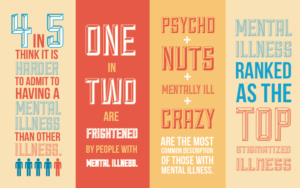
However, as a society we are still fighting one of the major barriers to seeking mental health support – stigma around mental health.
Breaking the stigma means altering the perceived notions and perspectives on asking for help and identifying oneself as in need of help for mental health concerns. It is very common for people to view others and themselves in a negative way, sometimes also feel ashamed if they are going through mental health difficulties. This stigma gets reinforced due to various factors such as inaccurate stereotypes about people portrayed in media, usage of demeaning , insensitive and inappropriate language in the society. People can hesitate to ask for help because they feel they are not sick or ill. Or, it’s possible that they believe the situation doesn’t satisfy certain criteria for concerns being severe enough.
| TYPES OF STIGMA | ||
| Public | Systemic | Self |
| Discrimination and devaluation by others | Reduced access to care and resources due to policies | Internalization of negative stereotypes |
It is important to fight this barrier of stigma as it further impacts one’s mental health condition, reduces likelihood of accessing treatment, difficulties with social relationships, perception of self and self esteem.
There are different ways one can deal with stigma:
- Openly discussing mental health, for instance by posting on social media, discussing it within friends and family circles. Having honest conversations with yourself about your own opinions would help with accepting them.
- Educating both yourself and others; seeking professional help if required for the Keeping self updated by reading news related to mental health and reliable sources on the internet like psychology today, verywell mind, betterhelp.com and psychcentral.com.
- Addressing misunderstandings or unfavorable remarks with facts and personal experiences. Being mindful and open to accepting that your preconceived notions about mental health could be insensitive or incorrect and allowing self to accept when being corrected. Being assertive and taking a stand when faced with unfavorable remarks.
- Observing your own and other’s language by being mindful of what you say. It is important to use mental health inclusive statements, sensitive language.
- Be kind to those who are facing mental health Kindness and validation helps to open up a space for mental health conversations.
- Disengaging with the media when they report about mental illness in a stigmatizing manner or use shaming language. This helps in two ways as you are not reinforcing the incorrect information and the legibility and reach of the media source reduces as we
Breaking the stigma and seeking help for your mental health concerns is important.
It can benefit you in following ways:
- You don’t have to struggle alone : As the stigma around mental health is broken, you will find yourself openly talking about the difficulties and it makes one understand that mental health difficulties are quite common human experiences and you are not alone in
- You are supported and facilitated to deal with the mental health concern: Breaking the stigma leads to more openness and support from your loved With that support it gets easier to find further professional support that aids the process of dealing with mental health concerns.
- It helps with managing and reducing risk for other medical conditions : When one realizes and accepts early signs of mental health difficulties, it consequently reduces risk for other medical conditions. For example, one may seek support when they are stressed and its impacting the daily functioning and hence manage to reduce the risk of other medical conditions related to stress like blood pressure.
- It will aid you with better and healthier coping skills: With stigma around mental health we tend to engage in unhealthy coping strategies like over indulgence in smoking,drinking or emotional dumping on others. When we break the stigma and are open to understanding mental health we may find ourselves engaging in healthier strategies like taking therapy, indulging in exercise or mindfulness.
- Your interpersonal relationships improve: When one seems more open to mental health conversations, and take mental health support eventually your interpersonal relationships improve as there is less room for assumptions or misunderstandings about one’s mental health condition.
- It improves overall quality of life: Being self aware and supported by others around you for your mental health difficulties will help you to improve overall quality of life as you learn healthy coping skills, deal with emotional, behavioral difficulties. It also has a positive impact on your body i.e. physical health.